Chimney services in Scarsdale, NY for houses built to last
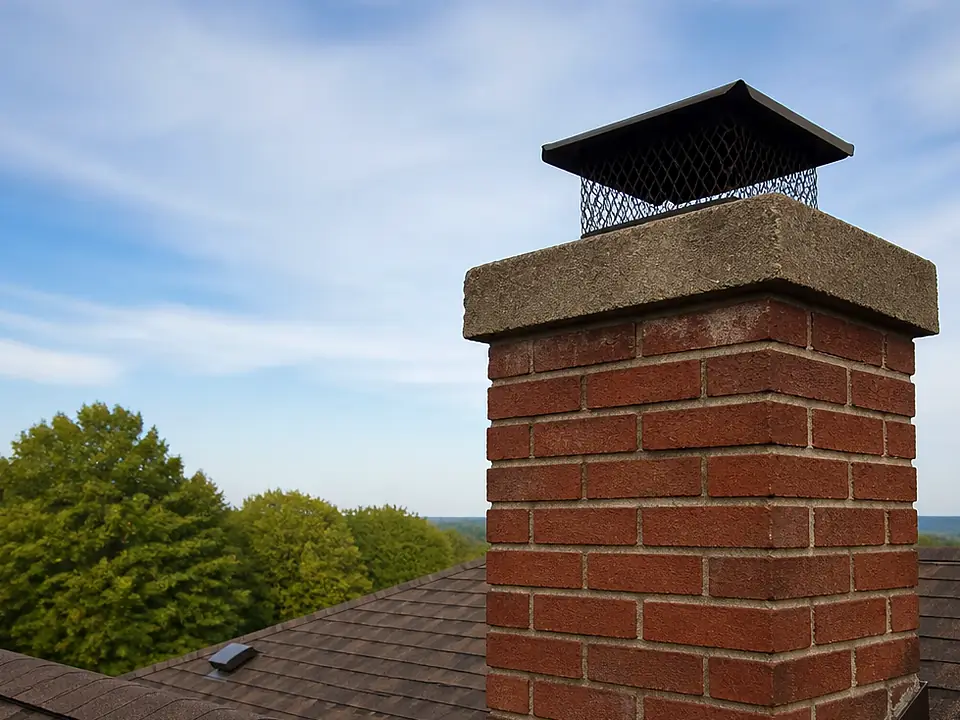
Most of Scarsdale was built between roughly 1910 and 1940, and it shows in the chimneys. Tudor Revival, English Cottage, Colonial Revival and French Norman houses line the streets from Greenacres down to Quaker Ridge, and nearly every one of them was designed around at least one masonry chimney, often several. Chimney Services Pro provides chimney services in Scarsdale, NY for exactly this housing stock: sweeping and inspecting working fireplaces, keeping boiler and water heater flues venting safely, and repairing brick and stone that has stood through close to a century of Westchester winters.
Our work rests on two ideas. First, a chimney in a fine house should be serviced like any other finished part of that house, with floors covered, rooms left as we found them, and nothing disturbed that doesn't need to be. Second, old masonry deserves repairs that match it. A smear of gray cement across a hand-laid stone chimney is not a repair; it is a future problem with a visible scar.
Whether you need a routine chimney cleaning before the heating season, a camera inspection before closing on a house, or a chimney contractor who can rebuild a Tudor stack without changing its character, the approach is the same: find out what is actually going on, show you, and fix only what needs fixing.
What a Westchester winter does to an old chimney
January in lower Westchester typically brings highs in the upper 30s and lows in the mid-20s, which means masonry spends much of the winter crossing the freezing point. Water that soaks into a cracked crown or an open mortar joint during a thaw freezes overnight, expands, and pushes the joint a little further apart. Repeat that across dozens of cycles a season and you get the problems we see most often around Scarsdale: spalling brick faces, crowns split outward from the flue tile, and mortar soft enough to rake out with a fingernail.
The roofs make it more delicate. Slate and clay tile were common on houses of this era, and a chimney that passes through a slate roof depends on step and counter flashing that is difficult to reach without breaking slates. We plan roof access carefully, use roof ladders and pads, and tell you before we touch the roof whether any slates are already cracked. Many leaks blamed on the roof turn out to be the chimney, and the usual suspects are the crown, the flashing or water-soaked brick.
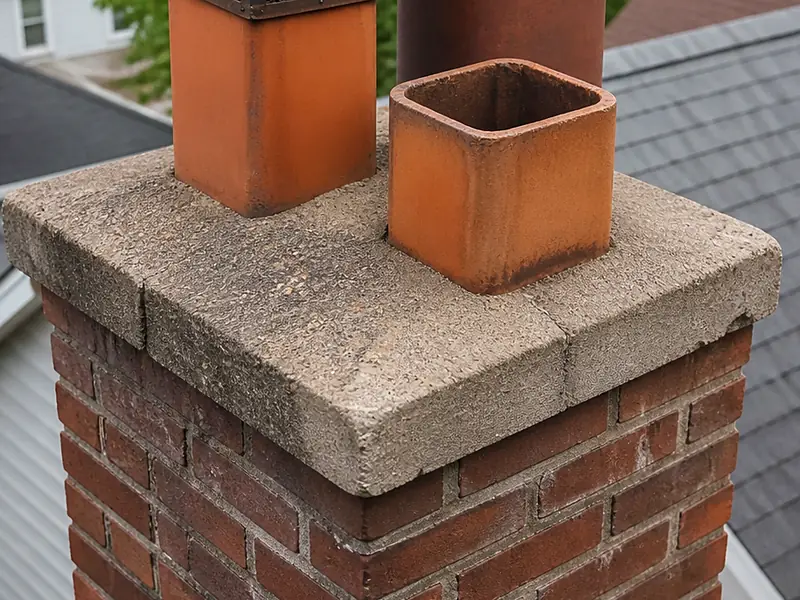
Inside the flue, the problem is often chemistry rather than weather. Many older homes here heat with oil or gas boilers that vent into clay tile flues built decades before those appliances existed. Modern boilers run cooler and produce more water vapor, and the acidic condensate eats at tile joints and mortar. When a boiler is replaced or converted from oil to gas, the flue frequently needs a correctly sized stainless steel liner listed to UL 1777 so the new appliance drafts properly. Our chimney liner installation page explains how we size and install them.
Clean, careful work inside the house
A chimney sweep can leave a house cleaner than it was or leave soot in the grout for a year. The difference is preparation. Before any brush goes up a flue, our technicians lay runners from the door to the fireplace, cover the hearth and surrounding floor, and seal the firebox opening so a HEPA-filtered vacuum keeps dust moving into the machine rather than into the room. Rugs are rolled or covered, mantel pieces and fireplace tools are moved only with your permission, and shoe covers go on before we cross finished floors.
What we find goes in writing. Every sweep includes a visual check of the firebox, damper, smoke chamber and exterior, and when something needs a closer look we run a camera through the flue and show you the footage. You get photos, a plain explanation of what each finding means, and a written estimate before any repair begins. If the right answer is that nothing is needed this year, that is what the report will say.
Our chimney inspection page explains the difference between a Level I check and the Level II camera inspection that NFPA 211 calls for when you buy a home, change a heating appliance or suspect damage.
Matching historic brick, stone and mortar
Scarsdale's chimneys are part of the reason its streets look the way they do: tall stacks with corbelled tops, clustered flues, clay chimney pots, stone bases that run up into brick. When one of them needs repair, the goal is that nobody walking past can tell where the old work ends and the new begins.
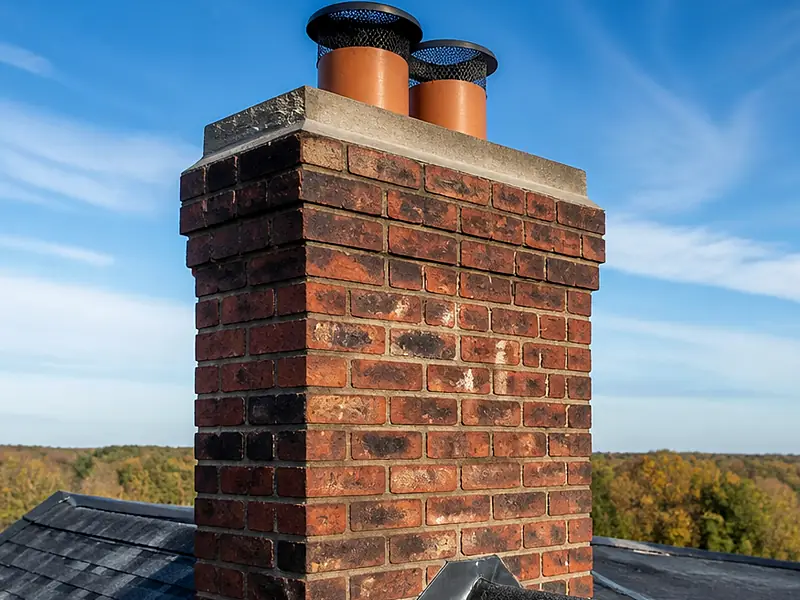
That takes more than a bag of premixed mortar. Masonry laid a century ago generally used softer, lime-rich mortar, and repointing it with a hard modern mix can trap moisture and crack the brick itself. We match mortar strength to the existing masonry, then match color and texture by testing samples against weathered joints rather than freshly broken ones. For brick replacement, we look for salvaged or closely matched units instead of whatever is on the supply-yard pallet. Stone chimneys get the same attention to joint profile, since a flush joint and a recessed joint read very differently from the street.
When a chimney has shifted, leaned or lost too much brick above the roofline, partial rebuilding is often the honest option. We photograph and measure the existing details first so corbels, pots and decorative bands go back where they were. See our chimney rebuilding and tuckpointing page for how that work is staged.
Knowing Scarsdale neighborhood by neighborhood
Scarsdale's neighborhoods each have their own character, and the chimneys follow suit. Arthur Manor, laid out on a former farm along Post Road, was the village's first suburban development, so some of its oldest houses may have chimneys built before flue liners were routine; a camera inspection settles the question. Fox Meadow, on the east side near the train station, and Greenacres, at the northern edge along the White Plains and Hartsdale borders, are full of early 20th-century houses whose original clay tile liners have now carried decades of boiler exhaust.
Heathcote has some of the largest homes in the village, which usually means multi-flue chimneys serving several fireplaces plus the heating system, each flue needing its own assessment. Quaker Ridge, at the southern end bordering the Town of Mamaroneck, mixes older houses with later construction, and Edgewood's smaller lots close to the village center can mean tighter ladder placement that we plan for in advance. Overhill, Murray Hill and Secor Farms each bring their own mix of eras and styles.
We also work well beyond the village line, in White Plains, Hartsdale, Edgemont, Eastchester, Bronxville, New Rochelle, Larchmont and Mamaroneck. The page on areas we serve has notes on the housing and chimney conditions in each town.
What happens during a sweep and inspection visit
- Setup and protection. Floor runners, drop cloths around the hearth, and a sealed firebox opening with HEPA vacuum running before any cleaning starts.
- Cleaning. Brushes sized to your flue, whether square clay tile, round tile or stainless liner, remove soot and creosote from the firebox up through the smoke chamber and flue.
- Inspection. The damper, firebox, smoke shelf, flue and exterior masonry are checked, with a camera run up the flue when anything looks questionable.
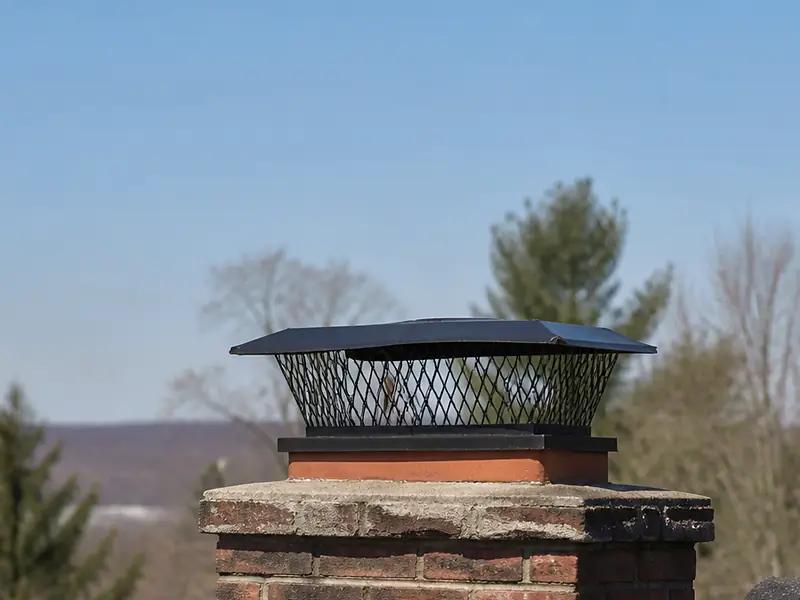
- Exterior check. Crown, cap, flashing and the brick or stone above the roofline are examined from the roof where it is safe to do so.
- Report. You receive photos, findings in plain language and, where repairs are needed, a written estimate. Nothing is repaired without your approval.
The Chimney Safety Institute of America recommends cleaning once roughly an eighth of an inch of soot or creosote has built up, and NFPA 211 calls for chimneys to be inspected every year. The CSIA publishes homeowner guidance worth reading if you burn wood regularly.
Booking before the fall rush in lower Westchester
The first frost in this part of Westchester usually arrives in the first half of November, and the first cold weekend is when fireplaces all over the village get lit at once. September and October are the busiest months for chimney sweeping in Scarsdale, and repairs found during a fall inspection take time to schedule, especially masonry that needs dry weather above freezing for mortar to cure. Booking early gives you room to fix what's found before you need the fireplace or the heat.
We do not run a round-the-clock line. For urgent problems, such as a chimney fire that has been put out, a cap or crown damaged in a storm, water pouring in around the flue, or a boiler that is backdrafting, we offer priority and same-day scheduling when available; our emergency chimney repair page covers what to do while you wait. If you smell smoke inside the walls or your carbon monoxide alarm sounds, get everyone outside and call the fire department first.
For everything else, late spring and summer are the quiet months, and the best time for rebuilding, relining and waterproofing work that should not be rushed.