Chimney sweep and repair in Hartsdale, NY
Hartsdale is a hamlet of the Town of Greenburgh rather than a village of its own, and it grew up along the Bronx River around the Harlem Line station and the Four Corners, where Central Park Avenue meets East and West Hartsdale Avenue. Locals simply call it Central Avenue, and anyone who has driven it knows East Hartsdale Avenue does not really run east. Chimney sweep and repair in Hartsdale, NY splits into two very different kinds of work: apartment and co-op buildings within walking distance of the station, and single-family houses on the streets around them.
Hartsdale sits right on Scarsdale's northern edge, next to Greenacres, so Chimney Services Pro is often nearby already. The hamlet's history shows in its landmarks: the station building is listed on the National Register of Historic Places, and the Hartsdale Pet Cemetery, founded in 1896, is known as the first of its kind in the country.
Co-op buildings: working with boards and managing agents
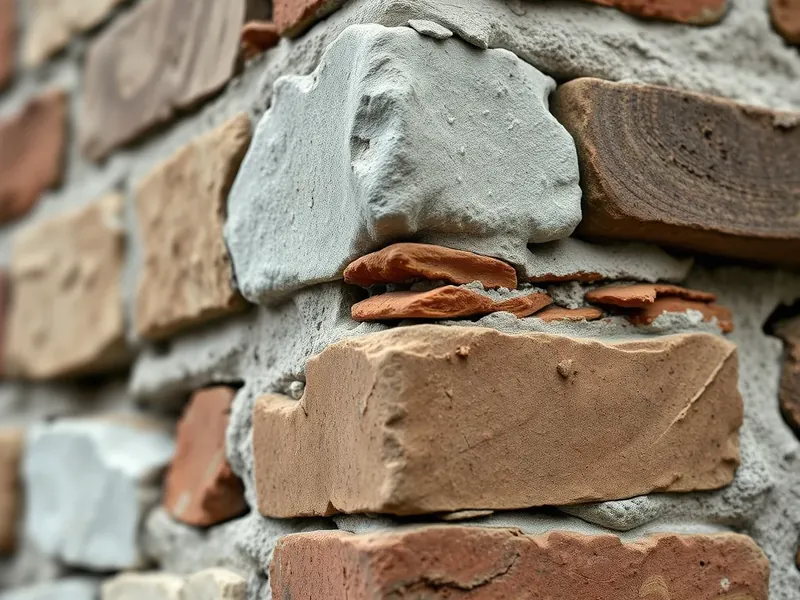
Much of Hartsdale's housing near the station is in co-op and apartment buildings along East Hartsdale Avenue and Central Park Avenue. In these buildings, the chimney that matters most usually serves the central boiler, not a living-room fireplace. Boiler chimneys in older buildings carry a heavy, continuous load all winter, and acidic condensate from modern burners wears tile liners and mortar joints faster than the original builders anticipated.
Work on a shared chimney runs through the board and the managing agent, so we structure it that way: a scheduled camera inspection, photos and video of the flue, a plain-language summary of findings, and a written estimate the board can review at its next meeting. If relining is needed, the liner size and material are specified in writing. Roof access, elevator use and notice to residents are arranged in advance so the building runs normally while we work. Our chimney inspection page explains what a camera inspection covers.
Single-family streets: fireplaces, boilers and dryer vents
Away from the Four Corners, Hartsdale turns residential quickly, with single-family houses on the side streets off Central Park Avenue and West Hartsdale Avenue and around Ridge Road Park. These houses usually have one or two flues: a fireplace and a heating flue, sometimes shared with a water heater. The typical visit is an annual sweep and inspection of the fireplace, a check of the boiler flue, and attention to the crown and cap, which take the brunt of winter weather. Houses that traded an oil boiler for gas often need a properly sized liner, since the old clay tile rarely suits the new appliance.
Dryer vents are worth a mention too. In many older houses the laundry was added later, in a basement, with a long, winding vent run to an outside wall, and lint collects at every bend. If drying times have crept up or the laundry room runs hot, dryer vent cleaning is a quick job with a real safety payoff.
Permits and scheduling in unincorporated Greenburgh
Because Hartsdale is unincorporated, permits for work such as rebuilding a chimney above the roofline go through the Town of Greenburgh rather than a village building department, and we tell you up front whether a job needs one. The Hartsdale postal area also takes in part of Edgemont, so if your address says Hartsdale but your school district is Edgemont, our notes on chimney service in Edgemont cover the Tudor and colonial housing there.
Ridge Road, the Odell House and Hartsdale's older houses
One of Hartsdale's landmarks stands on Ridge Road. The Odell House, begun in 1732 and enlarged in stages through 1855, served as the Comte de Rochambeau's headquarters for six weeks in the summer of 1781 while French troops camped nearby. It was added to the National Register of Historic Places in 1973, and it became the property of the Town of Greenburgh in 2020, which is restoring it. Most Hartsdale houses are much younger, products of the decades between about 1880 and 1940, when farms and estates were divided into house lots and apartment sites, and their chimneys show that age in cracked crowns, tired flashing and clay tile with open joints.
Roof work is where Greenburgh's rules most often meet the chimney. The town's building permit instructions list roof replacement as permitted work, even a direct replacement of roof covering, so a new roof is the natural moment to have the flashing, crown and cap looked at before the roofer closes up around the stack. Ridge Road Park and the wooded Hart's Brook Nature Preserve, which the town bought in 1999, keep many nearby lots shaded and leaf-strewn, and a screened chimney cap earns its place on those streets.