Chimney sweep and repair in Teaneck, NJ
Teaneck is framed by water: the Hackensack River runs along its western edge and Overpeck Creek along its southeastern one, while Route 4, Interstate 80 and the New Jersey Turnpike cross the township. Chimney sweep and repair in Teaneck, NJ is mostly residential work, on the side streets off Cedar Lane, The Plaza and Teaneck Road. Census Bureau estimates date about a third of Teaneck's homes to before 1940 and roughly three in four to before 1960, so most chimneys here have already outlasted a furnace or two.
The township's master plan sketches how that happened. William Walter Phelps assembled a large estate across the middle of Teaneck in 1865, the township was incorporated in 1895, and the George Washington Bridge and new highways brought fast suburban growth in the twentieth century. Chimney Services Pro covers all of it, from the river side near Fairleigh Dickinson University to the streets around Votee Park.
Tudor streets of the 1920s and the houses that came after
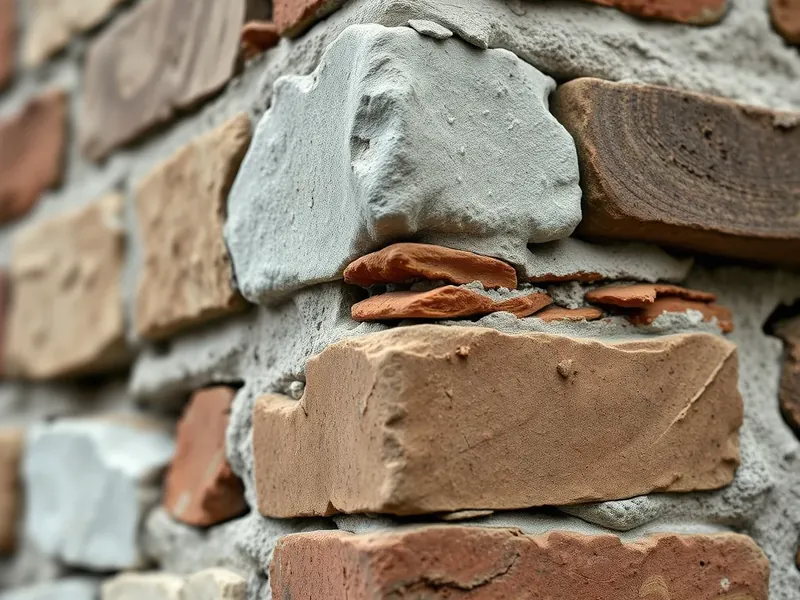
The master plan draws on the Teaneck Historic Commission's guide to local landmarks, which describes a real estate boom in full swing by the mid-1920s, with Tudor as the leading style. Tudor houses tend to show their chimneys off: a broad stack on the front or side wall, decorative brick courses, sometimes stone trim or clay pots at the top. A street-facing stack takes every wind-driven rain, its crown and upper joints wear first, and any repair shows. Brick should match in size and color, and new mortar should be no harder than the old brick, or the brick takes the damage; tuckpointing and chimney rebuilding explains the method.
After World War II, the same guide notes, Teaneck added garden apartments, split-levels, ranches and trim colonials, with new subdivisions at its eastern and northwestern edges. Those houses usually have a single brick chimney holding two flues, one for the fireplace and one for the heating plant, both lined with clay tile that has now been through sixty or more winters. Cracked tiles and open joints at that age only show up on camera.
Stone houses on Teaneck Road and River Road
Some Teaneck houses are older than the township by more than a century. Five of them joined the National Register of Historic Places in 1983 in a group listing of Bergen County's early stone houses: the Brinkerhoff-Demarest House at 493 Teaneck Road, the James and Adam Vandelinda houses farther along the same road, the Caspar Westervelt House on Sherwood Road and the Banta-Coe House on Lone Pine Lane. The Zabriskie-Kipp-Cadmus House on River Road, which its register record dates to 1751, was listed in 1978. Walls and chimneys of that age were laid in soft lime mortar, and they are repaired with a mix weaker than the stone around it, never sealed under a coating that traps water.
Teaneck's historic preservation ordinance sets the standards its Historic Preservation Commission applies before it issues a certificate of appropriateness for a change in exterior appearance. If your house is a designated site, ask the township before chimney work changes what neighbors can see.
New boilers, oil conversions and the chimney verification form
About three in four Teaneck homes heat with utility gas, and a little over 6 percent still burn fuel oil, so boiler replacements and oil-to-gas conversions are a steady part of the chimney work in town. The township's building permit page says a chimney verification form is required when a fuel-fired appliance is installed or replaced. On that state form, UCC F370, the person verifying confirms that the chimney is in good repair, clear of obstruction, substantially clean of residue from any earlier oil or solid-fuel use, and lined and sized for the new appliance. A homeowner may not submit it in place of the required inspection, and documentation for any new liner goes with the permit application.
Those checks match a Level II chimney inspection under NFPA 211, camera included. A direct-vent boiler is no exception, because the form then asks whether the flue is still lined and sized for whatever stays on it, usually the water heater; if not, a stainless chimney liner sized to that water heater is the common answer.
Brooks, river flooding and the base of the chimney
Teaneck's master plan names inland flooding as the township's main climate hazard, fed by smaller streams such as Teaneck Creek and Hirshfeld Brook as well as by the river, and special flood hazard areas reach the Fairleigh Dickinson campus and the end of Cedar Lane. A wet basement meets the chimney at its base, where silt fills the cleanout and connector pipes rust, so have each flue opening cleared before the boiler runs again.
New Jersey's fire code also wants carbon monoxide alarms near the sleeping rooms of every one- or two-family house that burns fuel or has an attached garage. If you smell gas, leave and call 911 or the gas utility from outside. Book routine sweeps for early fall; for a cap lost in a storm, request a visit and ask about priority or same-day scheduling when available.