Chimney sweep and repair in Stamford, CT
The 2020 census counted 135,470 people in Stamford, more than in any other Connecticut city except Bridgeport. Chimney sweep and repair in Stamford, CT is mostly neighborhood work, away from the downtown towers: Shippan and the Cove on Long Island Sound; Glenbrook and Springdale north of downtown; Westover, Newfield and Turn of River, which the City's 2015 Master Plan described as largely single-family; and North Stamford above the Merritt Parkway.
Census Bureau survey estimates for 2020 to 2024 date nearly three in five Stamford homes to before 1980 and about one in seven to before 1940. Utility gas heats about two in five occupied homes and fuel oil close to one in five. Chimney Services Pro serves Stamford from Scarsdale, across the state line, and the work here answers to Connecticut statutes and the City of Stamford Building Department, not to New York rules.
Shippan and the Cove: salt spray, surge and flooded basements
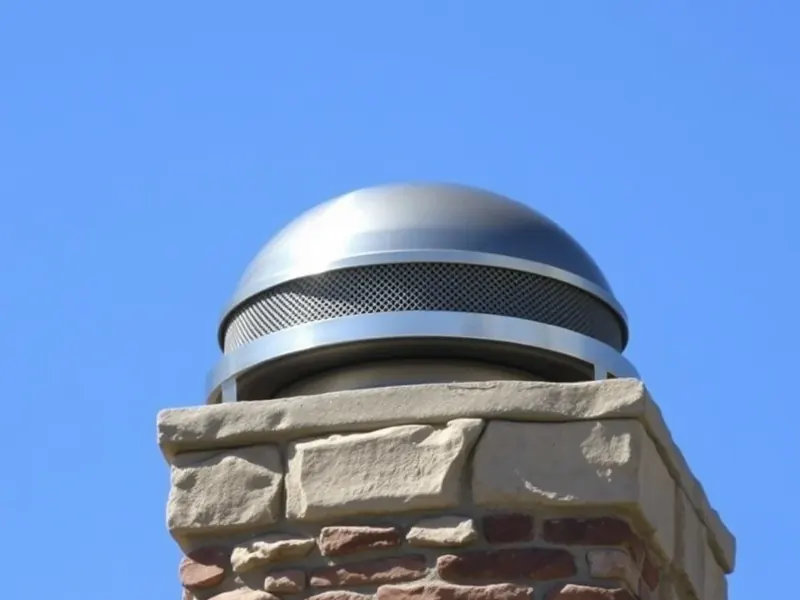
The 2015 Master Plan described Shippan as a low-density neighborhood on a peninsula in Long Island Sound, its southern part surrounded by water on three sides, and counted Shippan's Victorian-era waterfront cottages and the sea captains' homes of the Cove among the city's historic resources. Chimneys there take the weather straight off the water: salt pits galvanized caps and the nails in step flashing, wind-blown rain soaks the crown and the brick facing the Sound, and a damper plate flaking with rust is often the first sign anyone notices indoors. Caps in stainless steel or copper last far longer; see chimney cap and crown repair.
Surge is the bigger threat. Army Corps of Engineers records from the Stamford Hurricane Barrier, in operation from January 1969, put Hurricane Sandy's October 2012 water level a tenth of a foot above the 1938 hurricane's mark and higher than any storm logged after the barrier opened. The 2015 plan also noted that FEMA's higher flood elevations could affect areas outside the barrier, Shippan, Westcott Cove and Dolphin Cove among them. A flooded basement can leave cleanout doors, thimbles and connector pipes full of silt and rust. The Building Department's flood guidance counts damaged boilers and water heaters, and small vertical cracks in the foundation wall and chimney, among the signs of minor flood damage and asks for gas-fired equipment to be inspected before it runs again. NFPA 211 calls for a Level II chimney inspection after an event likely to have harmed the chimney.
Glenbrook, Springdale and the older blocks near downtown
Glenbrook and Springdale each have a station on the New Canaan Branch, an eight-mile rail line that has carried riders for well over a century. A City study calls them two historic communities, Glenbrook a mile and a half north of downtown and Springdale two miles north, with Hope Street as its main street, and describes Glenbrook as a long-stable working and middle-class neighborhood of single-family and multi-family homes. Nearer downtown, the Revonah Manor Historic District, listed on the National Register in 1986, preserves early twentieth-century Colonial Revival and Tudor Revival houses.
In a multi-family house one chimney often carries a boiler and a water heater for more than one apartment. When an owner installs a high-efficiency boiler that vents through the side wall, what stays in the chimney sends a trickle of exhaust up a flue built for a crowd: the tile never warms, water condenses on it, and the draft weakens until fumes spill at the draft hood. An oil-to-gas conversion causes the same mismatch, since gas exhaust runs cooler and wetter. NFPA 211 asks for a Level II inspection after a change of appliance or fuel, and a stainless steel liner listed to UL 1777 and sized to the remaining equipment is the standard answer; see chimney liner installation. Century-old brick usually sits in soft lime mortar, so repointing needs a matching mix.
North Stamford, Long Ridge and the Connecticut rules
Everything north of the Merritt Parkway is North Stamford, and the 2015 Master Plan put more than 90 percent of it in zones meant for single-family homes on one-, two- or three-acre lots in a rural setting. The Long Ridge Village Historic District, listed in 1987 and bounded by the New York state line, Rock Rimmon Road and Long Ridge Road, holds Federal, Greek Revival and Colonial Revival buildings. Wooded lots bring their own chores: branches over the stack, wet leaves on the crown, and squirrels or birds in any flue without a screened cap. NFPA 211 calls for every flue, the furnace or boiler flue included, to be inspected yearly; CSIA guidance is to sweep at about an eighth of an inch of deposits, and the Consumer Product Safety Commission advises keeping the damper open until the ashes are cool.
Two Connecticut rules apply as well. Under section 29-453 of the General Statutes, the seller of a one- or two-family house gives the buyer an affidavit at closing stating that it has smoke detection and warning equipment, and that it either has carbon monoxide detection and warning equipment or has no fuel-burning appliance, fireplace or attached garage. The Building Department's FAQ, quoting the state building code, says ordinary repairs need no permit but leaves work on vent piping and other mechanical work affecting public health or general safety out of that category, so ask before a flue is relined or a new stove is connected. Neighbors to the west can read about chimney service in Greenwich, or request a visit; priority and same-day scheduling are offered when available.