Fall 2026 sweep and inspection dates are filling. Book before the first cold snap brings the rush. Call (914) 444-9812

Mon-Sat 8am-6pmScarsdale, NY 10583

ChimneyServices Pro

Older Homes and Chimney Care in Westchester County and New City

Census estimates for Scarsdale, the Westchester County towns around it and New City: owner-occupied single-family homes built before 1980, the share of detached houses, and homes heated mainly with fuel oil or wood.

  • Census ACS 5-year estimates 2020-2024
  • Newest release as of November 29, 2026

What the Westchester housing figures count, and why a chimney's age matters

Each row of the town table stands for one community, whether Scarsdale, a Westchester County town near it or New City across the Hudson in Rockland County, and every figure in it is a Census Bureau survey estimate. The first counts owner-occupied houses built before 1980, row houses and townhouses included. Apartments, co-op units and rented houses are left out, because a house's owner is usually the person who decides when its chimney gets swept, relined or rebuilt. The other two give the detached-house share of all housing and the share of occupied homes whose main heat is fuel oil or wood.

Why 1980? A house built before then is more than four decades old, and its chimney has often outlasted at least one furnace or boiler: around Scarsdale that tends to mean a clay tile flue sized for a long-gone heating plant, mortar worn by decades of freezing and thawing, and a fireplace flue sharing a stack with the heating system. Age alone does not condemn a chimney, but it makes a yearly chimney inspection likelier to find something worth repairing.

Where a row adds a second place name, as the Edgemont row does, the Census Bureau publishes that community's figures under the other name.

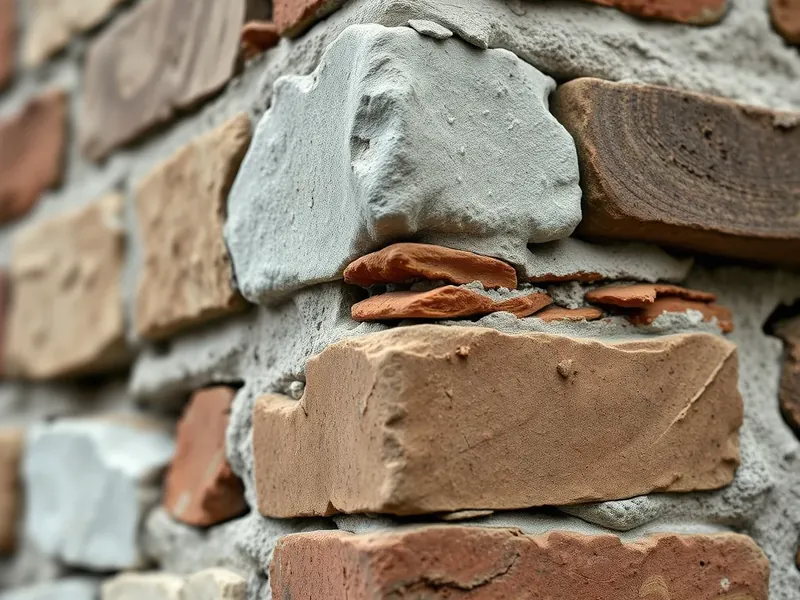
Close-up of a stone and brick chimney with crumbling mortar joints
Illustration (AI-generated).

Census data

Older Homes, Town by Town

Housing age, type and heating fuel by town, Southern Westchester County and New City, New York
TownOwner-occupied single-family homes built before 1980Detached single-family houses (share of housing units)Homes heated mainly with fuel oil or wood (share of occupied homes)
Yonkers18,70325%21%
Stamford14,71434%19%
New Rochelle10,82838%20%
Teaneck9,22773%7%
Greenwich9,10064%15%
New City7,88487%2%
White Plains6,04928%22%
Mount Vernon5,78627%28%
Bergenfield5,38770%4%
Paramus5,11585%1%
Dumont4,36470%3%
Englewood4,23142%5%
Scarsdale3,83493%13%
Eastchester3,76552%16%
Mamaroneck2,28139%24%
Larchmont1,49663%25%
Edgemontfigures for Greenville1,45647%23%
Bronxville87136%25%
Hartsdale37935%23%

Across the 19 towns in the table, the Census counts about 115,470 owner-occupied single-family homes built before 1980.

Source: U.S. Census Bureau, American Community Survey 5-year estimates (2020-2024), tables B25127, B25024 and B25040. Download the table (CSV)

Prewar masonry and postwar flues: what older Westchester chimneys tend to need

Most of the older houses here belong to one of two building eras. The first is the early twentieth-century house of brick, stone or shingle, often Tudor or Colonial Revival, with a tall chimney, several flues in one stack and soft, lime-rich mortar. Its clay tile liners often have eroded joints, the very oldest chimneys may have no liner at all, and repointing with a hard modern mix can crack the brick it was meant to protect; the guide on repointing an old brick chimney with lime mortar explains why.

The second is the postwar house of the late 1940s through the 1970s: a split-level, ranch or center-hall colonial with one masonry chimney carrying a fireplace flue beside a furnace or boiler flue, whose tile liner may have vented oil exhaust for most of its life.

Oil heat links the two eras. Figures from the U.S. Energy Information Administration place about 82 percent of the households that relied mainly on heating oil during the 2023-2024 winter in the Northeast, and in most Westchester rows the oil-or-wood column sits well above zero. After a switch from oil to gas or to a high-efficiency boiler, the old flue is often too large for the new appliance, whose cooler, wetter exhaust eats at tile joints. CSIA's procedure for chimney professionals advises a Level 2 inspection when an appliance is swapped for one of a different fuel, efficiency or type; the usual result is a stainless steel liner matched to the new equipment.

New City reads differently. It is the one community in the table on the Rockland side of the river, most of its housing is detached houses, and oil or wood heat is rare there, so the oil-flue questions common in older Westchester homes come up less often.

A checklist for owners of an older house in lower Westchester

None of these steps needs a ladder.

  • Count the flues. Many older stacks hold a boiler or water heater flue beside the fireplace flue, and each one needs its yearly check even if no one lights a fire.
  • Look up from the sidewalk. Binoculars show a cracked crown, a missing cap, flaking brick or white salt staining; the cap and crown repair page covers the fixes.
  • Watch the plaster. Water marks around the chimney breast, a damp smell after rain or rust flakes on the damper usually mean water is getting in at the top.
  • Ask what changed in the basement. If the boiler or furnace was replaced or converted from oil to gas, ask whether the flue was inspected and lined for it.
  • Mind the damper. Open it before lighting and, as the CPSC advises, leave it open until the ashes are completely cool.
  • Keep carbon monoxide alarms outside each sleeping area, another CPSC recommendation; the gas has no smell.
  • Book the annual inspection before the heating season. NFPA 211 calls for one every year, and a late-summer visit leaves time to repair masonry while the weather still lets mortar cure.

Using and citing the Westchester County figures

The underlying Census data is in the public domain. Chimney Services Pro compiled the town-by-town table and publishes it under CC BY 4.0, the Creative Commons Attribution license, so a local paper, school district newsletter, real estate agent or neighborhood association may copy, quote or adapt it with credit and a link back to this page; the download link under the table has the same rows as a CSV file. A suitable credit line: "Older homes data for Southern Westchester County and New City, compiled by Chimney Services Pro from U.S. Census Bureau ACS 5-year estimates."

Two cautions keep a citation accurate. The American Community Survey is a sample, so every estimate carries a margin of error, wide for the smaller villages and hamlets; treat close differences between towns as ties, and find the margins on data.census.gov. And since the first column counts only owner-occupied single-family homes, apartment buildings and co-ops with their own boiler chimneys fall outside it, which matters most in the cities.
FAQ

Questions About Older Homes in Southern Westchester County and New City, New York

How old is the typical house in southern Westchester County?

It varies from town to town and often from street to street, since the area holds houses from many decades. For a single figure, the Census Bureau publishes the median year built for each place in table B25035 on data.census.gov. The table here counts something more useful for chimney planning: how many owner-occupied houses in each town were built before 1980.

Does an older Westchester house need a chimney inspection before you buy it?

It is strongly advised. For a home that is changing hands, CSIA recommends a Level 2 inspection, and that level calls for a video scan of the chimney interior and should take in every flue and its connected appliance. A general home inspection rarely goes past the firebox and the roofline, so cracked tile liners, a flue left oversized after an oil-to-gas conversion or water damage inside the stack can go unnoticed until the first cold month.

Why does the table stop at houses built before 1980?

The Census groups year built into brackets, and one of them starts at 1980. Houses from before that date have chimneys more than four decades old, frequently lined with clay tile and connected to heating equipment that has been replaced at least once. Newer houses have chimney problems too, but they are less likely to involve worn lime mortar, unlined or cracked flues, or a liner sized for a boiler that is long gone.

Can I use these Westchester figures in a newsletter or listing?

Yes. The compiled table is licensed under CC BY 4.0, so it may be quoted, copied or reworked in a newsletter, article, presentation or listing, provided Chimney Services Pro is credited as the compiler and readers get a link back to this page. The Census estimates themselves are public domain. Keep the survey years next to any figure you quote, since the numbers change with each new release.

Mon-Sat 8am-6pm

Schedule Chimney Service in Scarsdale

Tell us about your chimney, fireplace or stove and we'll call you back during business hours to answer questions and set up a visit.

Call (914) 444-9812
  • Mon - Sat: 8:00 AM - 6:00 PM
  • 20 Chase Rd, Scarsdale, NY 10583

Request chimney service

Urgent problem? Call (914) 444-9812 for the fastest scheduling.
Call NowRequest Service