Chimney Repair in Scarsdale That Respects the Original Work
Chimney repair in Scarsdale is as much about preservation as it is about fixing what is broken. Many chimneys in the village are part of the architecture itself: stone stacks rising from rubble stone foundations, stucco chimneys framed by half-timbered gables, and tall brick chimneys laid in decorative patterns. A repair that uses the wrong brick, a gray cement mortar or a clumsy patch of stucco can stand out from the street for decades.
A good repair here follows the habits of a careful mason: find the cause, fix it with compatible materials, and leave the chimney looking as if nothing was ever wrong. Chimney Services Pro connects you with a local chimney pro who starts with an inspection, explains the findings with photos, and provides a written estimate before any work begins.
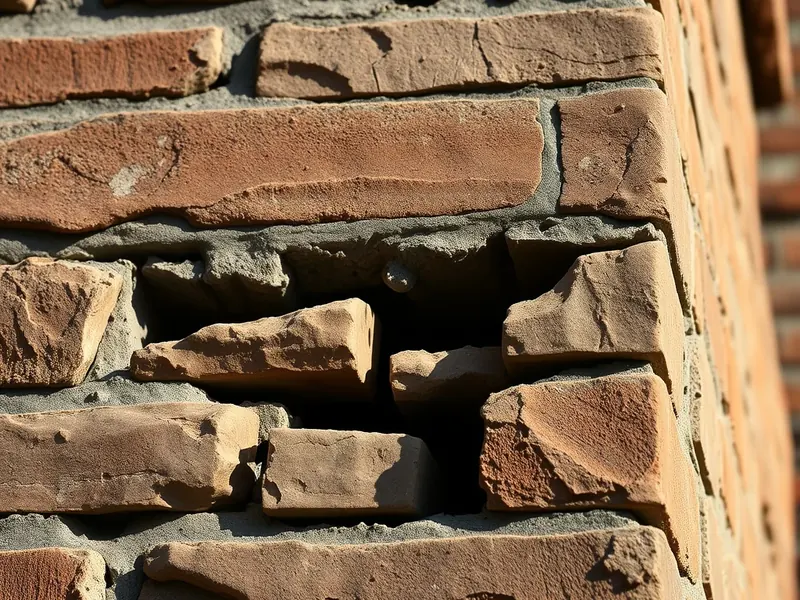
Chimney Repairs We Handle Most Often
- Spalled and cracked brick: damaged units are cut out and replaced with brick matched in size, color and texture.
- Loose or missing stones: stones on fieldstone and ashlar chimneys are reset in mortar matched to the existing joints.
- Stucco cracks and delamination: damaged stucco is cut back to sound material and rebuilt in coats, with the finish texture matched.
- Failed flashing: step flashing and counterflashing are replaced where the chimney meets the roof.
- Smoke chamber and firebox: rough or crumbling smoke chambers are parged smooth, and firebox joints are repointed with refractory mortar.
- Crown and cap damage: covered in detail on our chimney cap and crown repair page.
Scarsdale's housing stock mixes all of these materials, sometimes on a single house, so the chimney repair plan is always written for the specific chimney. When damage goes deeper than individual bricks or joints, the answer may be repointing or a partial rebuild, covered under chimney rebuilding and tuckpointing.
How Westchester Winters Take a Toll on Chimneys
Scarsdale gets cold, snowy winters, and temperatures often swing above and below freezing in the same week. Every time water soaks into brick, stone or mortar and then freezes, it expands and pries the material apart. After enough cycles, brick faces pop off, mortar joints turn to sand and stones loosen. Chimneys take the worst of it because they stand above the roofline, exposed on every side, and the top courses stay wet longest.
Snow piling up behind a wide chimney and wind-driven rain from coastal storms keep the masonry wet longer than the rest of the house. That is why we look closely at the uphill side of the chimney and the top few feet of the stack, where damage usually starts. Most of these problems begin with water, so if a leak is part of the picture, our chimney leak repair service traces it to the source.
Working on Slate and Tile Roofs Without Damaging Them
Many Scarsdale homes have slate roofs, and some Mediterranean-style houses from the 1920s carry Spanish clay tile. Both are durable and beautiful, and both break when walked on carelessly. A chimney repair that leaves cracked slates around the stack simply creates the next leak.
We reach these roofs with ladders, roof hooks hung over the ridge and padded supports that spread our weight, and we avoid stepping directly on slate. When flashing has to be replaced, the slates or tiles around the chimney are removed carefully, set aside and reinstalled. Any that crack are replaced with matching material and fastened with copper nails or slate hooks. Copper flashing is our usual choice on slate roofs because its service life is much closer to that of the slate itself.
Permits, Village Review and What Affects Repair Cost
The Village of Scarsdale's Building Department answers the permit question in one line: a permit is required for all work except ordinary maintenance. Its FAQ adds two points that matter for chimneys. Roof shingles may be replaced without a permit, but other roofing work needs one, so ask before flashing is rebuilt around a stack. And where the Board of Architectural Review has to approve a change to the look of a house, that approval does not replace the permit; the department still reviews the plans for code. Replacing a few bricks usually falls on the maintenance side of the line, while a rebuild or a visible change to the chimney does not. We tell you up front which category your project is likely to fall into, so there are no surprises.
Repair cost depends on several factors rather than a single rate:
- The height of the chimney and how difficult roof access is.
- The material, since stone and stucco work take longer than brick replacement.
- How much of the original masonry can be saved.
- Whether flashing, a liner or a new crown is part of the job.
Every chimney repair estimate we write lists the work item by item, so you can see what is urgent and what can wait. We handle chimney repairs throughout the area, including for homeowners in White Plains.