Chimney sweep and repair in Dumont, NJ
Dumont grew on a low ridge Dutch settlers called Schraalenburgh, which the borough translates as "scraggly hill," part of 7,500 acres that the Tappan people deeded to a French Huguenot settler in 1677, reaching from the Tenakill Creek to the Hackensack River. The borough was incorporated as Schraalenburgh in 1894 and in 1898 took the name of its first mayor, Dumont Clarke, president of the American Exchange Bank, who had lived there since the 1870s. Chimney sweep and repair in Dumont, NJ means working on an older housing stock: Census Bureau estimates date about seven in ten Dumont homes to before 1960 and nearly a quarter to before 1940.
Stone farmhouses and the North Church on Washington Avenue
According to the borough's history, Dumont's early Dutch residents lived mostly in stone farmhouses, and several survive. The Derick Banta House at 180 Washington Avenue, the Daniel Demarest House at 404 Washington Avenue and the Zabriskie-Christie House on Colonial Court joined the National Register of Historic Places in 1983 with Bergen County's other early stone houses. The North Church, built in 1801 after part of the Schraalenburgh congregation broke away in 1799, stands at Washington and Madison Avenues and was listed the same year.
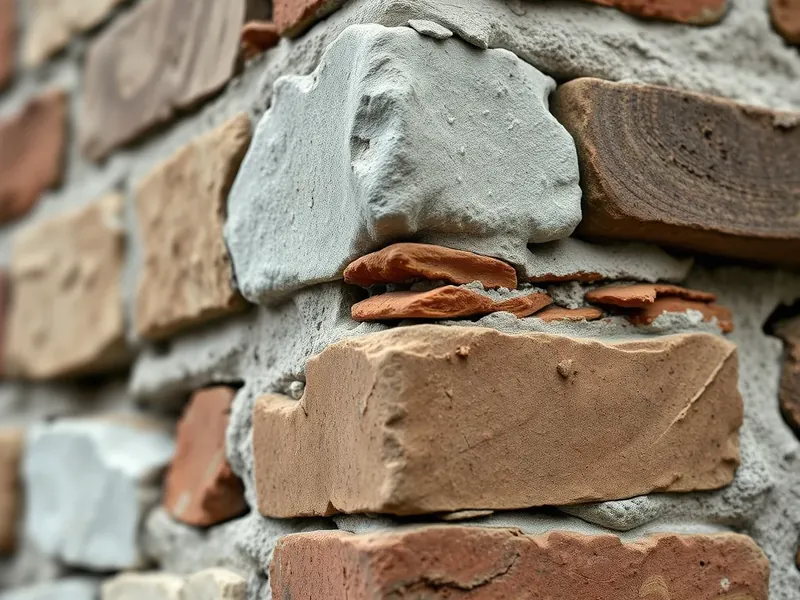
Chimneys on stone houses of this age were laid in soft, lime-based mortar. Repointing them with a hard cement mix, or sealing the stone under a coating that holds moisture in, usually makes the damage worse. The right repair uses mortar matched to the old joints in strength and color, and any appliance connected to such a flue should wait for a camera inspection; tuckpointing and chimney rebuilding describes the work.
Camp Merritt, the commuter years and the houses that followed
The railroad reached the Schraalenburgh Valley in 1873, on a line from Ridgefield Park to Tappan, and brought commuters and builders. In 1917 Camp Merritt opened along Dumont's eastern border, with a supply railroad run straight through backyards in the upper end of town; after World War I most barracks were torn down or burned, and Dumont went back to being a residential town. Gas connections reached households by 1910, sewers followed in 1926 and the high school opened in 1928.
That timeline shows in the chimneys. A house from the 1910s or 1920s may have heated with coal, then oil, then gas, and each change left its flue a little less suited to the burner below. Census estimates count more than four in five Dumont homes heating with utility gas today and about 3 percent with oil. Under NFPA 211, a change of fuel or appliance calls for a Level II inspection, camera scan included, and a correctly sized chimney liner is the usual remedy for a flue that is cracked or too big. Houses from the 1940s and 1950s, a large part of the borough, often pair a fireplace flue with the furnace flue in one stack, and both need checking each year.
Selling a house in Dumont: what the resale inspection covers
New Jersey's fire code requires a certificate of smoke alarm, carbon monoxide alarm and portable fire extinguisher compliance before a one- or two-family house is sold or leased, and where a town already inspects such homes under its own municipal code, that inspection takes the certificate's place. Dumont's building department schedules resale and rental inspections. Neither one is a chimney inspection. NFPA 211 calls for a Level II inspection when a property changes hands, and for a house built before 1960 it is worth arranging before the closing date is set.
Test the carbon monoxide alarms near the bedrooms as the heating season starts; New Jersey requires them in one- and two-family homes with fuel-burning equipment or an attached garage. A gas smell means getting everyone outdoors first, then calling 911 or the gas company from there. Chimney Services Pro books annual sweeps from late summer on; request a visit and mention every flue in the chimney.