Chimney Leak Repair in Scarsdale Starts With the Real Source
Chimney leak repair in Scarsdale fails most often for one reason: the wrong thing gets fixed. A water stain on the ceiling beside the fireplace could come from failed flashing, a cracked crown, porous brick, a missing cap or condensation inside a boiler flue. Each has a different cure, and a coat of sealant on the wrong surface only delays the diagnosis while water keeps damaging plaster and framing.
Chimney Services Pro starts with an inspection from the roof, from the fireplace and from the attic where the chimney passes through. When the source is not obvious, we water-test the chimney one section at a time, starting low and working up, until the leak shows itself inside.
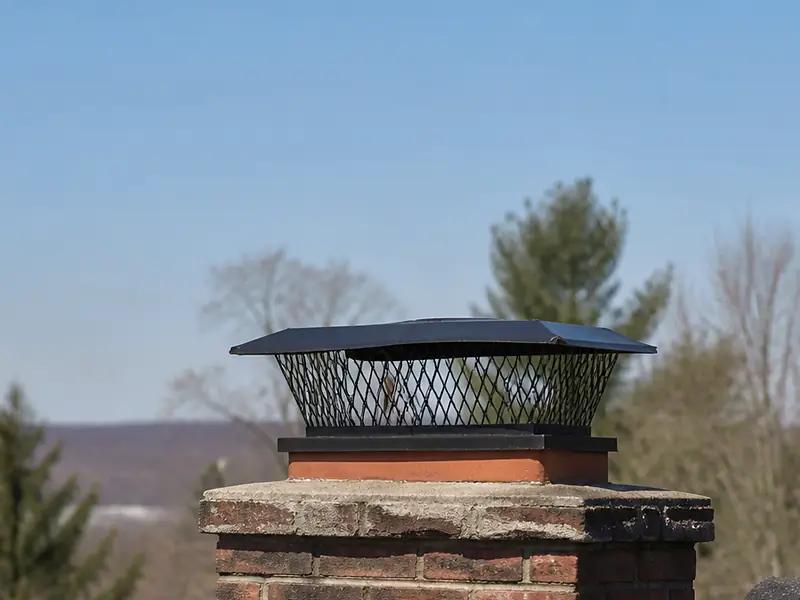
Where Water Gets Into Scarsdale Chimneys
- Flashing: the most common source. Step flashing and counterflashing fail as sealant ages, metal corrodes or the mortar joints holding the counterflashing erode.
- Crown: cracked or poorly sloped crowns let water straight into the chimney core.
- Masonry face: old brick and eroded joints soak up water during long, wind-driven rains.
- Stucco: hairline cracks on stucco-clad chimneys, common on the village's Tudor houses, let water behind the finish, where it travels before showing up inside.
- Open flues: uncapped flues collect rain and snow directly.
- Condensation: boiler and water heater flues can drip moisture that looks like a leak but comes from the exhaust, not the weather.
Condensation needs a different fix entirely, often a properly sized liner; see chimney liner installation.
Stopping Leaks Where Chimneys Meet Slate and Tile Roofs
On a slate roof, the flashing is woven into the slate itself. Each piece of step flashing sits under a course of slate and turns up against the chimney, and a counterflashing set into the mortar joints covers its top edge. Done right in copper, it can last about as long as the slate. Done with a smear of roofing cement, it lasts a season or two.
When we replace flashing, we remove the surrounding slates or tiles carefully, install new copper step flashing and counterflashing set into cut joints in the masonry, and reinstall the roofing. Model building codes call for a cricket, a small peaked diverter, on the uphill side of chimneys wider than 30 inches, and older chimneys were often built without one. Adding a cricket keeps snow and water from pooling behind the stack, which is where many winter leaks start in Scarsdale.
Waterproofing Brick, Stone and Stucco the Right Way
Masonry has to breathe. Moisture that enters a chimney from inside, through condensation or humid air, needs a way out, and sealing the surface with paint or a film-forming coating traps it where it freezes and does more damage. After repairs are complete, we apply vapor-permeable, siloxane-based water repellents that shed rain while still letting the masonry dry.
Waterproofing is a finishing step, not a substitute for chimney leak repair. Cracked crowns, open mortar joints and spalled brick are fixed first, and chimneys that need more than spot repairs are covered under tuckpointing and chimney rebuilding. Stucco chimneys get crack repair with compatible material rather than surface caulk, which stands out against the finish and fails within a few Westchester winters.
Warning Signs of a Chimney Leak
- Water stains or bubbling paint on ceilings or walls beside the chimney.
- A damp, musty smell from the fireplace in humid summer weather.
- Rust on the damper, glass doors or the top of the firebox.
- White, chalky deposits called efflorescence on the brick.
- Crumbling mortar or flaking brick on the outside of the chimney.
- Stained rafters or sheathing around the chimney in the attic.
Scarsdale sits inland, but nor'easters blowing in across Long Island Sound still bring hours of wind-driven rain, and homes closer to the water in Larchmont and Mamaroneck feel it even more. We handle chimney leak repair in both.
Timing Leak Repairs Around Scarsdale's Seasons
The best time to stop a chimney leak is before the first hard freeze. Water that gets into masonry in October is still there in January, and every freeze-thaw cycle in between opens the cracks a little wider. Flashing replacement and crown work are easiest to schedule in late summer and early fall, when slate is dry and mortar cures reliably.
Leaks do not always wait for good weather, though. If water is coming in mid-winter, we can often make a temporary repair to stop it, then complete the permanent flashing or masonry work once temperatures allow. Inside the house, give stained plaster time to dry out completely before repainting, or the stain will bleed back through the new finish.