Chimney Liner Installation in Scarsdale, NY: Why Old Flues Need It
A chimney liner installation in Scarsdale usually starts with a problem the homeowner cannot see. The clay tile liners in homes built from the 1910s through the 1930s have been heated, cooled, soaked and frozen for roughly a century. Tiles crack, mortar joints open, and some chimneys of that era were never fully lined at all. The liner is what keeps heat away from nearby wood framing and keeps exhaust gases, including carbon monoxide, inside the flue until they leave the roof.
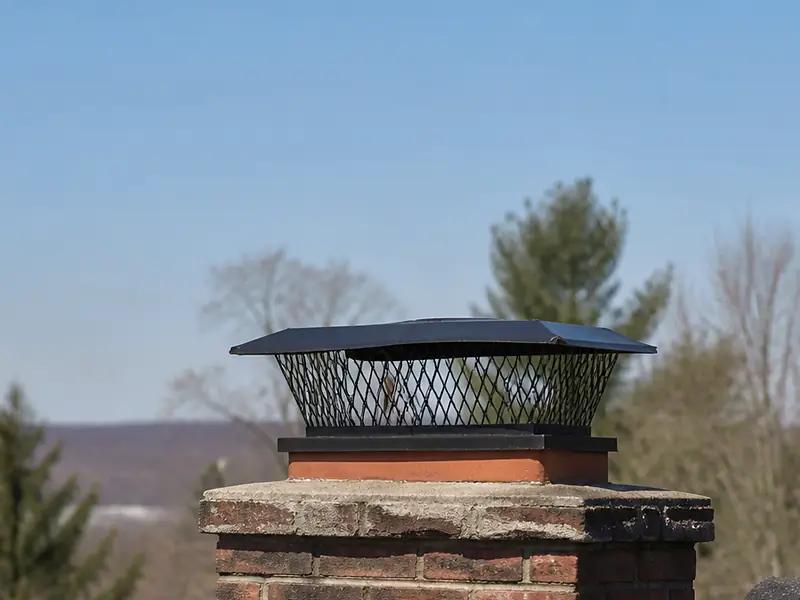
Relining restores that protection without tearing the chimney apart. A new stainless steel liner is lowered through the existing flue from the top, connected to the appliance at the bottom and capped at the crown. Chimney Services Pro installs UL 1777 listed liner systems and sizes each one to the appliance it serves.
Relining for Oil and Gas Boilers and Water Heaters
Many Scarsdale homes heat with oil or gas boilers that vent through a masonry flue, often sharing a chimney with one or more fireplaces. Modern boilers run far more efficiently than the equipment these chimneys were built for, which means cooler exhaust. Cooler exhaust condenses inside a cold masonry flue, and that condensate is acidic. Over time it dissolves mortar joints and softens clay tile, and the debris can collect at the base of the flue and block it.
A common case is the orphaned water heater. When an older boiler is replaced with a high-efficiency unit that vents out a side wall, the water heater is left alone in a flue sized for both appliances. Its small, cool exhaust stream cannot keep that large flue warm, so draft suffers and condensation increases. The fix is a liner sized to the water heater. NFPA 211 calls for a Level 2 chimney inspection when an appliance is added, removed or replaced with a different type, and we recommend scheduling it before a boiler swap rather than after.
Liner Options for Scarsdale Chimneys
- Flexible stainless steel liners: the usual choice for boiler and water heater flues and for chimneys with bends, since they follow offsets without breaking into the masonry.
- Rigid stainless steel liners: used in straight flues, where the smooth interior helps draft.
- Insulated stainless liners: for wood stoves and fireplaces, where insulation keeps flue gases hot, reduces creosote and adds protection for nearby framing.
- Oval and rectangular sections: for fireplace flues where a round liner would cut the flue area too much for the size of the opening.
The right liner depends on the fuel, the appliance's venting requirements and the shape of the chimney. We match the liner size to the manufacturer's specifications, because a liner that is too large can cause as much trouble as one that is too small. In a village where a single chimney may serve a gas boiler, an oil-fired water heater and two fireplaces, getting each flue right matters.
Relining Tall, Offset and Multi-Flue Chimneys
Tudor Revival chimneys are often tall and carry several flues in one stack, and many of those flues bend on the way up. Relining them takes planning. We scan each flue with a camera, measure its length and offsets, and confirm which appliance it serves before ordering materials. On slate and clay tile roofs, we set roof hooks and padded supports so the liner can be fed from the top without anyone walking on the roofing.
Each liner gets its own top plate and cap, so flues stay separate at the crown, and a multi-flue cap can cover the whole chimney top when that suits the look of the house. If the crown is cracked, it makes sense to repair it during the same visit; see chimney cap and crown repair. Inside the house, the connection at the boiler or fireplace is made with the same drop cloths and care we bring to every job.
What Affects the Scope of a Relining Project
- Flue height and the number of offsets.
- Fuel type and the appliance's venting requirements.
- Whether the liner needs insulation.
- Whether broken tile must be removed to fit the correct liner size.
- Roof type and access, particularly on steep slate roofs.
- Crown or cap work needed at the top of the chimney.
Relining is generally treated as more than ordinary maintenance under Scarsdale's building permit rules, so we tell you whether a permit is needed before the job is scheduled. We also handle chimney liner installation for homes in Eastchester and Hartsdale.